It might sound like a hard task to raise your credit score in a short period of time, but through the right strategies and financial discipline, it will be definitely possible. The credit score is used to determine your financial habits and stability as a borrower, which in turn affects a loan approval and interest rates, as well as housing rentals and even employment opportunities.

Although the process of creating a good credit profile is a long-term one, there are a number of steps that you can perform practically, and within a relatively short time frame, you will notice some improvement. Through learning the mechanics of credit scores and the things that have the greatest effect on them, you will be able to begin improving your score more quickly than you would think.
The Basics of How Credit Scores Work
It is always a good idea to know what influences your credit score before attempting to raise it. To come up with a credit score, various factors are taken into consideration, that is, a credit history, use of credit, credit length, credit type, and recent use of credit.
History of payment and use of credit tend to have the greatest weight; hence, late payments and high balances have the most negative impact, whereas on-time payments and low balances have the best impact. By putting emphasis on these key aspects, you will be able to make changes that will yield faster results as compared to waiting several years to see gradual improvements.
Pay Your Bills on Time No Nonsense
Paying all your bills on time is one of the quickest and most efficient methods of raising your credit score. Late payments negatively affect your score heavily particularly when they are not far apart. It is enough to make a single late payment and ruin your credit profile. Paying punctually will always be seen by the lenders as a sign of a responsible and reliable person.
It can be set up with automatic payments, reminders, or calendar alerts that would make sure that no deadline has been missed. When you have a history of paying late, then now you can start paying on time as time progresses since the positive behavior will eventually overpower the ones that occurred long ago.
Minimize Your Debt-to-Equity Ratio
The rate at which you are using your available credit is referred to as credit utilization. Assuming you possess a credit card limit of 5,000 dollars and now you are spending 4,000 dollars, your utilization is very high and this is detrimental to your score. One of the fastest methods of ameliorating your credit score is by reducing your balances. It can make a significant difference to settle current credit card debt, at least in part. Ideally, you need to attempt to maintain your usage at less than 30 percent, or even less. This demonstrates to the lenders that you are responsible in the use of credit and you do not rely so much on the borrowed funds.
Do not apply for new credit too often.
Whenever you request new credit, a hard inquiry is put on your credit report. The excessive number of serious inquiries during a relatively short amount of time can have an adverse effect on your credit rating and present you as dishonest.
When you are in need of a quick fix to your credit score, then you should not apply to get unnecessary loans, credit cards, or even financing options. Instead, concentrate on how to manage your current credit accounts. Minimizing new applications is beneficial to defend your score and is better for maintaining your credit profile.
Test Your Credit Report to Find the Mistakes
Mistakes in your credit report are more prevalent than some individuals would have believed. Mistaken balances, accounts not owned by you, multiple entries, and false declarations of late payments are all detrimental to your credit score in an unjust manner.
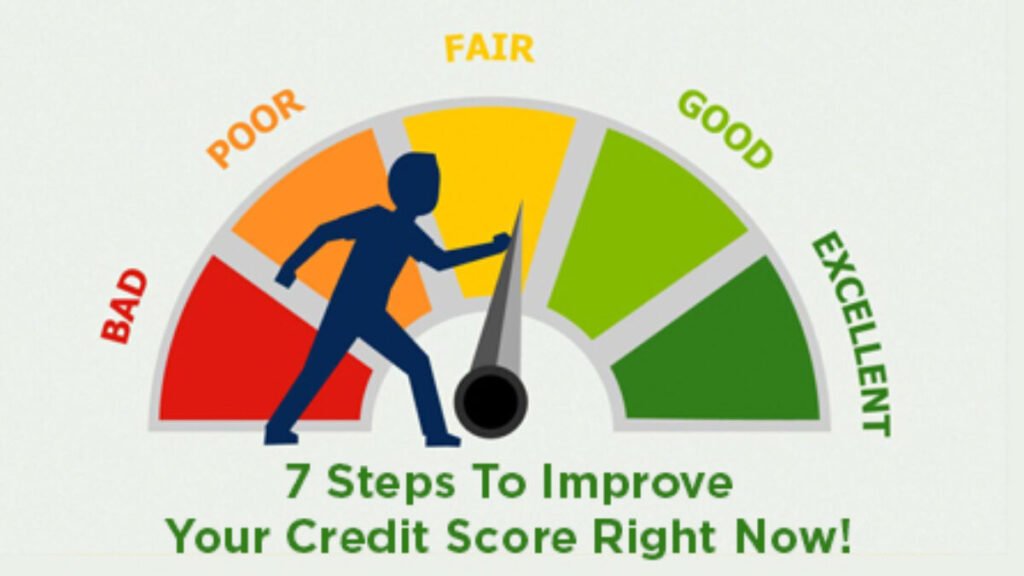
By taking your credit report and reviewing it, you are able to note these errors and contest them with the credit bureau. These mistakes can be rectified and after that, your score can improve very fast. It is also important to check your credit report regularly in order to identify fraud early and guard your financial identity.
Keep Old Accounts Open
Your credit history is also determined by length. Older accounts can be used to raise the average age of your credit, which is usually a good thing. Even when you do not use old credit cards, closing them to keep your available credit low and you end up with a short credit history, which classifies as lowering your score.
In the event that an account does not involve high fees and is not posing any financial difficulties, then most likely it is better to leave it open. The strategy not only helps you build long-term strength in your credit but also assists in bettering your utilization ratio.
Responsible Diversification of Your Credit
The possession of a combination of various sources of credit (credit card, personal loan, or installment loan) can positively impact your credit report. This however does not imply that you need to go into unnecessary debt with the aim of increasing your score.
In case you have other kinds of accounts in place, use them well and regularly. When various types of credits are used responsibly, lenders are convinced that one can manage various financial commitments over time, which makes them have confidence in him.
Pay Outstanding Debt and Collection
Collections of unpaid balances are very harmful to your credit score. These accounts could be paid off or settled, which will improve your credit score. Although paid collections can still appear on your report, the negative effect of the same is usually lessened when they are represented as settled or paid.
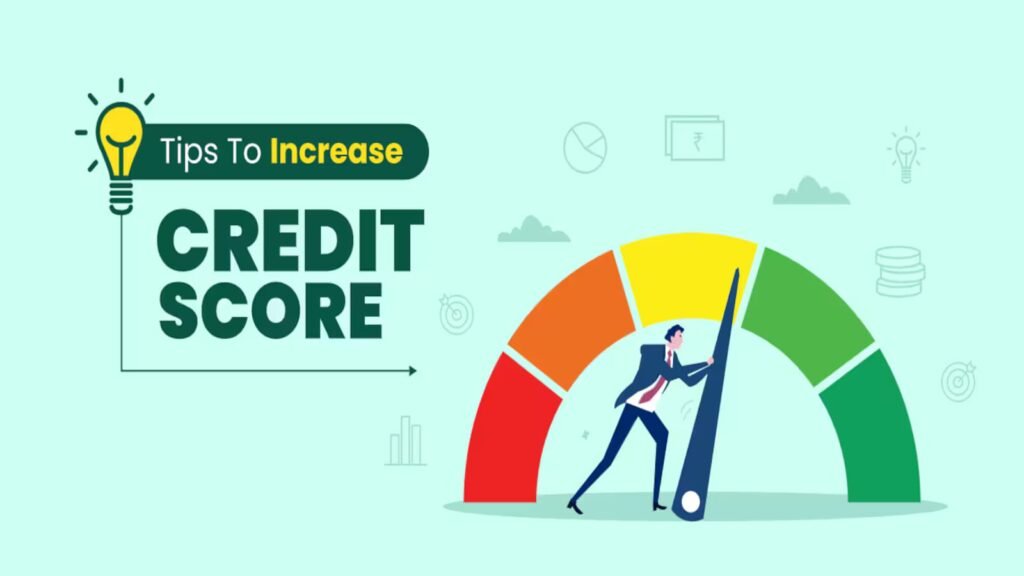
The business of calling the creditors and negotiating about paying in installments or settling debts can be a good option since the credit report can be cleaned up sooner. Your financial stability is also enhanced because clearing off pending debts relieves you of financial pressures.
Be Patient but Consistent
Although certain gains may be made fast, credit score increases need time and perseverance. It is important not to take financial risks, be disciplined with payments, and maintain control of debt. The credit scores are sensitive to behavior trends and not individual actions. With a set of responsible habits in weeks and months, the score will be steadily increasing. This is a long-term strategy and returns a lasting improvement that cannot be short-lived.
Conclusion
When you are concerned with the most critical aspects that affect your credit score, you can improve your credit score in a short time. On-time payment of the bills, lessening the debts, rectifying the errors, limiting the new credit applications, and creating the positive financial habits will have visible changes in a comparatively short period.
More to the point, the latter strategies also provide a solid ground in long-term financial well-being. The excellent score is not merely in terms of loan access, but in terms of trust, stability, and financial discipline. Today, by taking charge of your credit, you are putting a better and more stable financial future into your pocket.