Every policyholder should know the process of making insurance claims. It is health, home, motor, travel, or life insurance claims, but the claim is a premeditated way of dealing with claims, which is aimed at verifying the loss and compensating it fairly. The apprehension to make a claim often causes many people to be anxious, as they are not sure of the process and fear being slowed down and denied. But that, when you know how it works, it is a lot easier to negotiate and control. This step-by-step guide will allow you to remain calm, organized, and prepared in case of any hardships, as it will be a step-by-step explanation of the insurance claim procedure.

Knowing What an Insurance Claim Is
An insurance claim is a legal request of an insured person to an insurance claims firm to cover or pay damages to a covered loss or incident. It may be an accident, in which case, it may be an accidental loss, illness, damage, theft, or any other such event that has been discussed in the policy terms. When you purchase insurance, this becomes a legal agreement with the insurer to protect you financially provided that you pay a constant amount of premiums. The process of activating that protection is known as the claim process.
Prior to making a claim, one must know their policy coverage, exclusions, deductibles, and limits. There are a lot of complaints that there are no issues within the company; it is just that the event was not covered or the documentation was not made. Your understanding of your policy will ensure that confusion and unrealistic dreams do not arise.
Step One: Short-term Response to the Incident
The very beginning of the claim process is taken immediately after an incident has taken place. This step is very important since you can defend your rights at this stage and bolster your case. In case of health crises, accidents, or damage to safety, personal security and medical attention should be regarded as first priorities. It is also necessary to contact the appropriate authorities in the case of car accidents, theft, etc.
During this step, one will have to collect some basic information. This consists of dates, times, places, and details of the occurrence. Witnesses should have their contacts registered in case they are present. When there is damage to property, the photographs and video should be captured as soon as possible to capture the state of the property before its repair or alteration.
Step Two: Reporting to the Insurance Claims Company
When the situation is controlled, then you need to inform your insurance claims company about the event. The majority of the insurers insist that the claim must be reported within a particular time period, which is well stated in the policy document. Delay in notification may at times result in rejection of a claim, particularly when it impacts the investigation procedure.
This notification may typically be conducted via customer care, mobile applications, online portals or branch office visits. The insurer will at this point register your claim and give you a claim reference number. This figure is very vital as it is referred to in order to monitor the progress of your claim.
Step Three: Submission of Claim Form
Once you have registered a claim, the insurance claims company requests you to provide a claim form. This form will contain information regarding the incident, the type of loss, and your personal and policy details. At this stage, accuracy is of great essence. Even the mistaken or misleading information may cause the delay of the process or even rejection.
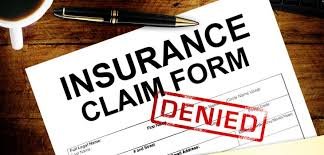
The insurance claim form should be completed with honesty and clarity. Attachments must be provided of supporting documents, which can be medical reports, bills, FIR copies, repair estimates, invoices, discharge summaries, or death certificates, depending on the form of insurance claims. This action is a formal introduction of the claim evaluation procedure.
Verification of documents before leaving the store is required in the fourth step
Verification of the claim form and submissions starts once the insurance claims company receives the claim form and documents. This is done to make sure that the claim is a true claim and it is covered in the policy. The company verifies the validity of the policy, payment history of premiums, coverage limits, exclusions, and facts of incidences.
In the case of health insurance, the report of hospitals and doctors is checked. In the case of vehicle insurance, damage estimates and repair expenses are verified. In the case of home insurance, the review of property damage evaluations is applied. Back-and-forth communication can take place in this stage in case of necessity of more documents or clarifications. The quick action of the policyholder contributes to the acceleration of the process.
Step Five: Inspection and investigation
The insurer in most instances may assign a surveyor or investigator to determine the loss. This is common in high-value claims, motor insurance, and home insurance. The damage is physically inspected, facts are verified, and a report is prepared by the surveyor to the insurance company.
This enquiry is to make sure that there is transparency and fraud is avoided. Although this might be stressful, it is a normal process. Working with the surveyor and being open with honest information is useful in avoiding unnecessary complications. The report of the survey is also a determining factor on the final claim amount.
Step Six: Claim Assessment and Evaluation
Verification and inspection: After verification and inspection, the insurance company evaluates the claim. This is done by computing the amount payable in accordance with the terms of the policy, coverage limits, deductibles, depreciation, and exclusion. Not every claim leads to full reimbursement since policies usually have conditions like co-payments or any sub-limit.
The value of the claim in terms of finances is determined here. The insurer makes sure that the compensation must be fair and compliant with policy and legal requirements.
Step Seven: either Claim Approval or Claim Rejection
The insurer decides after the assessment has been completed. On the condition that the claim fulfills all conditions, it is approved. The policyholder is made aware of the amount that has been approved and the time within which the amount is expected to be paid. In case of the rejection of the claim, the insurer reasons it through the policy provisions, lack of documentation, or covered exclusion.

When they are turned down, it does not necessarily imply the conclusion. The policyholders can seek clarification with the policyholder, file more documents, or challenge the decision. A lot of claims get resolved once reassessed when omitted information is available.
Conclusion
The insurance claim process might appear to be cumbersome, yet when divided into concise steps, it will be easy to manage and predict. The stages starting with immediate action following the incident and ending with final settlement have purpose and structure. Knowing about this procedure will enable the policyholders to take any action with a certain level of confidence, prevent the occurrence of mistakes, and safeguard their financial rights.
The process of insurance is not only about purchasing the policy but also about knowing how to make the most when one needs it. The step-by-step process of learning the claim process also guarantees you that your insurance is actually being used as a financial back up in case of need.