Digital insurance innovation is creating a strong change in the insurance industry. A system that used to be paper intensive, slow and complicated is changing into a fast, user-friendly and technology-driven ecosystem. Digital insurance does not constitute a simple upgrade of the classic insurance models but it is the total transformation of the way people access, manage and experience protection. Digital insurance is also transforming security by changing the current world as people buy policies online and also claims being processed using artificial intelligence.

The Digital to Traditional Insurance Shift
The old insurance systems were constructed on the brick and mortar, paperwork, the use of agents and time-consuming procedures. Customers lacked transparency, slow communication and they were usually confused with confusing processes when making claims or making alterations to their policies. Digital insurance is a complete reorganization of this structure where the services are transferred to the Internet, mobile applications, and robotic systems. Purchasing, renewing and managing policies are now digitalized and need not be done in an office or even through an agent.
This change does not simply revolve around convenience, but also efficiency and accessibility. Online platforms help insurance companies to cut down on delays that are not essential and decreases the operational expenses among which insurance companies can provide more competitive prices and expedite their operations. To the customers, it implies that they get protection instantly, easier documentation and more frequent updates. The shift to digital systems is just a type of bigger consumer behavior change where consumers now demand services to be made on demand and at any time.
Accessibility and Convenience of the New Consumers
Convenience is one of the most compelling causes as to why digital insurance is the future of protection. Consumers today are in a digital first world, with all aspects of banking, shopping, education, healthcare being more digitalized. The same happens to insurance. Digital platforms enable customers to compare the policies, tailor the coverage and transact within minutes.
The other significant benefit is accessibility. Insurance services are no longer restricted geographically due to people in remote areas or underserved regions accessing insurance services. Digital insurance service providers open protection to people who were not well covered in financial services before. Such inclusivity contributes to the growth of financial security among more people in general, which forms a more secure and resilient society.
Individualization With Data and Technology
The digital insurance permits some level of personalization that would have been impossible with traditional systems. With data analytics, artificial intelligence and machine learning, the insurers will be able to create individualized policies based on needs, lifestyle and risk profile. Rather than having blanket policies, the customers are provided with cover that best addresses their specific behavior and needs.
As an example, usage-based insurance models enable premium to be based on the actual usage tendencies as opposed to general assumptions. This will produce more reasonable pricing frameworks and real risk evaluation. Customized insurance is not only better in customer satisfaction but also in credibility since they are assured that they are paying a cover which is very relevant to them.
Quick and Faster Claims Processing
One of the most stressful areas of insurance has always been claims processing. The conventional means are normally associated with a lot of paperwork, waiting, and lack of clarity. This experience is transformed through digital insurance, which is automated and smart. Customers will be able to file the claims using mobile apps with the help of digital documentation, photos, and real-time tracking.
Information can be verified, fraud controlled, and claims processed by an artificial intelligence system much quicker than by a manual system. This saves time in waiting and enhances transparency. More effective claims attitude leads to greater customer trust and overall insurance company credibility. Insurance is an actual safety net as opposed to a complex weight when individuals are aware that they can count on the prompt help in times of need.
Economic Effectiveness and Affordability
Digital insurance saves on operational expenses through minimization of physical infrastructure, paper work and manual work. Such savings enable companies to provide lower premiums and also remain profitable. Effortless operations through automation and digital workflow make insurance to be more cost effective to both the providers and the customers.
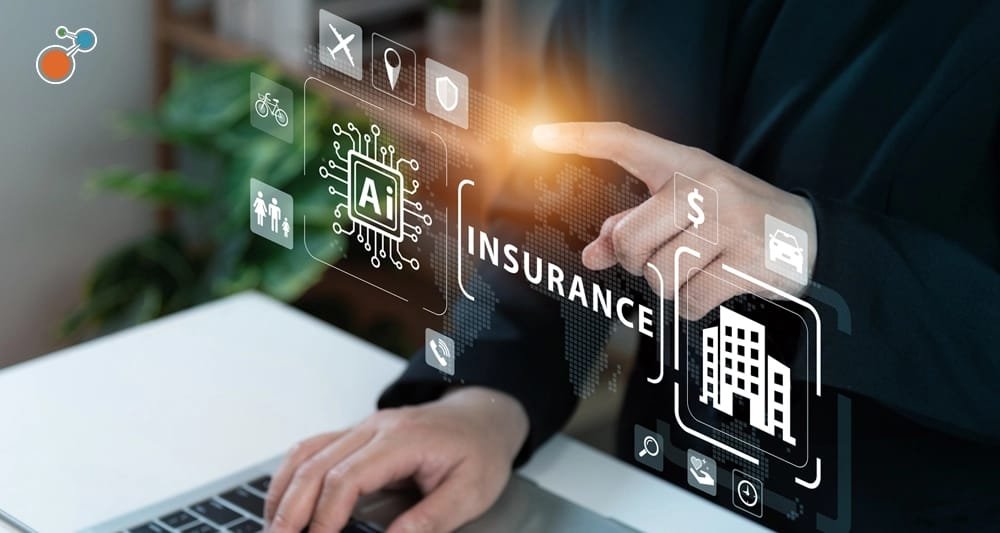
The reduction in costs also makes more people buy insurance thereby augmenting the general levels of protection within society. Financial security would be opened up when insurance is affordable and accessible. Digital insurance is thus a very important part in the development of a better economic stability both at the individual and community levels.
Digitization with Digital Ecosystems
There is no such thing as digital insurance. It can be combined with other digital services like digital banking, health platforms, smart devices and financial management tools. This interdependent ecosystem results in a holistic mind of protection where insurance will be included in a greater digital way of life.
To give an example, health insurance may be combined with fitness applications, financial insurance may be integrated with digital wallets, and business insurance may be integrated with enterprise management systems. Such integration makes it efficient, increases the accuracy of the data, and developing smarter protection models that align with the needs of reality.
Technology-based Defense and Security
Although there has been a concern about cyber security with digital systems, new and improved security measures are provided. Secure cloud infrastructure, block chain technology, biometric authentication, and encryption offer high protection to sensitive data. Digital insurance platforms spend a lot on cyber security to ensure that they keep the confidence of their users as well as safeguard their information.
Protection is also enhanced with technology to detect fraud and manage risk. The intelligence systems can detect suspicious trends and block counterfeit claims and enhance the integrity of insurance system. This allows digital insurance to serve as more efficient, as well as more secure and reliable.
The Future of Digital Insurance
The future of protection is to be constantly innovative. Digital insurance will keep on changing as artificial intelligence, automation, big data, and smart technologies are developed. Predictive analytics will be able to eliminate the risks before they arise whereas the real-time monitoring systems will develop the proactive models of protection.
The more that societies become digital, the more the insurance will have to change. Digital insurance is not merely a trend, it is a crucial development that is in line with the modern way of life, economic systems, and advancement of technology. It does not make insurance an on-demand service, but an on-demand defense system helping people in the run up, throughout and post-incident of risks.
Conclusion
The future of protection is digital insurance, which can be explained by the fact that it is in line with the realities of modern life. It is convenient, easily accessible, personalized, fast, affordable, and transient unlike the traditional. Digital insurance establishes more intelligent, quicker and dependable security models by combining technology with financial security. With technology dominating the planet, digital insurance will form the cornerstone of personal and financial security, altering the way individuals secure their lives, property and future on the digital age.