Home Loan Interest The future of the housing market in 2026 will be determined by the changing economic conditions, changing lending policies, and growing competition among financial institutions. The interpretation of the interest rates of home loans is more essential than ever to the homebuyers and property investors.
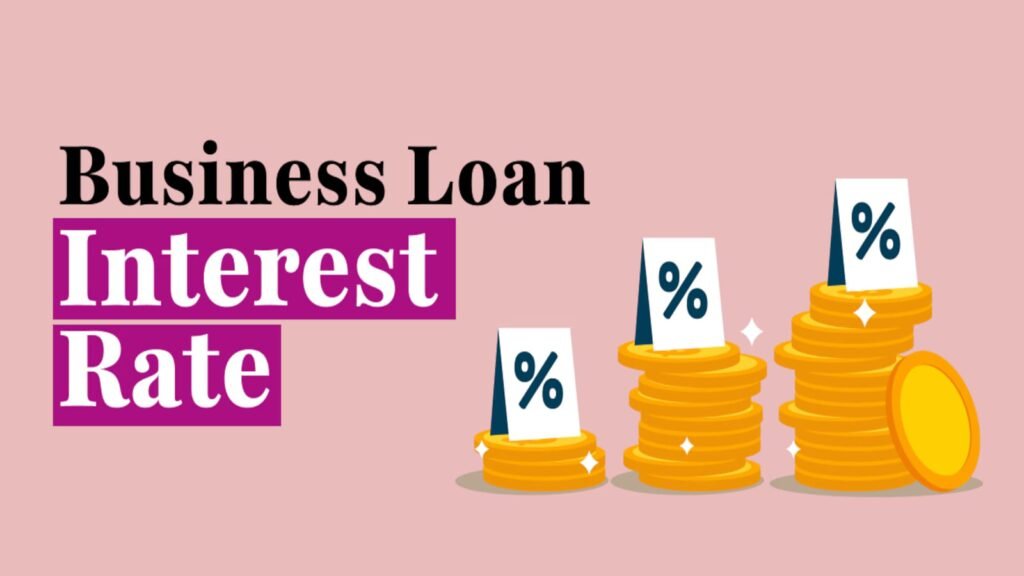
A little variation in the interest rates can alter the total cost of a loan interest to the tune of thousands of dollars during the repayment period. This renders interest rate comparison an important process in the determination of an appropriate home loan. By 2026 the number of borrowers who are restricted to the traditional banks has been witnessed to be overtaken by the digital lenders, fintech and the hybrid financial institutions where they provide competitive mortgage products.
The Economic condition and its effect on home loan-rates
Rates of interest of home loans in 2026 will be highly dependent on the inflation trends, central bank policies, and the economic stability around the world. When inflation is high, interest rates tend to be higher, and when inflation is controlled, the interest rates are lower.
With the economy demonstrating stability, the lenders will be assured and will give out more favorable interest rates to borrowers. During unpredictable economic times, interest rates are likely to go up in order to handle the risk. Knowledge of this larger context assists the borrowers to make a better judgment at any particular time towards taking a home loan. Interest or holding out till better circumstances come along.
Fixed Interest Rates in 2026
Fixed-interest home loans interest rates are still of huge demand in 2026, owing to their predictability and stability. In a fixed-rate loan, borrowers will have the same interest rate over the duration of the fixed period and can pay monthly payments without much difficulty.
This alternative is particularly appealing to those families and first-time purchasers who prefer financial stability and the ability to budget. They can however begin with a bit higher rates than variable home loan interest. As of 2026, risk-averse borrowers favor options that are fixed-rate and long-term in terms of financial planning rather than savings that are short-term.
Flexibility of the markets and Variable Interest Rates
Variable interest rate home loans Interest rates are associated with market regulation and policy rates in that the interest may change accordingly in either way (higher or lower). These loans are appealing to the borrowers in 2026 when the interest rates will decrease or be stable. Variable rates are usually lower than fixed rates and thus attractive when one wants to be able to afford it in the short term.
They, however, have the risk of future increase, which may increase monthly payments. This alternative applies to the borrowers who are financially lenient and able to cope with payment variations and like to enjoy possible rate cuts. Investors who are concerned with short-term returns and not long-term stability are also attracted to the variable-rate loans.
Hybrid Home Loan Interest Options
In 2026, hybrid home loans that have fixed and variable interest rates are becoming popular. These loans are provided at a fixed rate on an initial basis, after which they change into a variable rate. This structure offers long-term and early financial stability.
The customers are enjoying the benefit of knowing what to pay in the first few years, as they reserve the right to benefit when market rates are lowered at a later date. Hybrid home loans Interest is a good option for those buyers who would value a combination of security and flexibility.
Electronic Lenders and Mortgage Rates
With the emergence of digital finance platforms, the home loan interest market will have changed in 2026. Lenders online and fintech organizations will be able to charge competitive interest rates due to their lower overhead costs. These are sites that operate on sophisticated algorithms and auto-bots that evaluate creditworthiness in a fast and effective way.
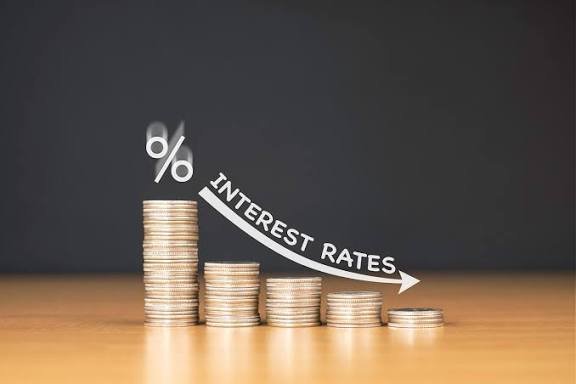
This leads to quicker approvals and better interest rates on loans for the borrowers. Google rate structures and easy search tools also make it easier to comprehend the choices of buyers, as digital lenders offer open-rate structures and convenient comparisons. This rivalry has compelled the conventional banks to make their offer better, and this has made the market more friendly to borrowers.
Comparison of Interest Rates beyond the Numbers
In 2026, interest rate comparison is not only about the percentages. Borrowers have to look at processing fees, prepayment penalties, flexibility in the tenure of home loan interest, and refinancing. The interest rate would be slightly low and associated with high hidden costs, and the loan would be more costly in the long run. Smart comparison is concerned with the total cost of the loan and not with the rate of the one advertised.
The affordability on a long-term basis, flexibility on repayment, and customer support services also play an important role in the selection of the best home loan interest. A whole picture comparison guarantees enhanced financial performance and long-lasting gratification.
Home Loan Interest Rates: Regional Differences
The interest rate charged on home loans in 2026 will not be the same in all regions since the economic growth, demand of the property, and competition among lending institutions are not the same. High and dense demand in property within an urban area tends to have a competitive rate as there is competition amongst lenders. The rates in rural and developing areas might be slightly higher due to the perceived risk and the decreased market activity. Knowing the market conditions in the area makes borrowers find the most appropriate sources of finances and prevents extortion of home loans.
Selecting the appropriate home loan Interest in 2026
The choice of the appropriate home loan Interest in 2026 should be based on the consideration of the interest rates, loan strategy, financial stability, and future objectives. The borrowers need to suit the decision to their income stability, career advancement, family and investment goals.
A fixed home loan interest is appropriate for individuals who prefer security, a variable loan is appropriate for individuals who are comfortable risking flexibility, and a hybrid loan is appropriate to provide a middle ground. It is not only about the lowest interest rate but also about financial comfort, security,, and sustainability.
Prospective Forecast of Home Loan Interest
The future of interest rates of home loans in 2026 and beyond will all depend on economic growth and technological innovations as well as the reviews of the policies. As the world is digitalizing and becoming increasingly competitive, the mortgage market is turning more transparent and customer-oriented.

Borrowers have access to more improved tools, tailor-made home loans, and interest, as well as better financial education. The changed nature of this development opens the prospect of smarter borrowing and long-term financial development.
Conclusion
It is not a financial task to compare the interest rates on homelands in 2026 but a long-term move towards stability and wealth generation. Borrowers have more power than ever because of a variety of home loan interest options, competition among the lenders, and highly developed digital platforms, which give them the opportunity to choose an appropriate mortgage.
Knowing fixed, variable and hybrid home loan interest; doing a total cost of a loan analysis; and matching the decision with individual financial objectives are important steps towards being a smart borrower. When homebuyers make knowledgeable choices, they will be able to have affordable financing, to insure their financial future, and to gain sustainable wealth through owning a home.